Essays · Manifesto
The Hopes of Creation
创作的期望
Shao Yong, the Northern Song thinker, had this method for contemplating the world and grasping truth: to observe things from the standpoint of things. That is, to strip away the subjective position and the identity of the « I » until one reaches the very nature of things and arrives at a state of no-mind. I hold this to be the highest state of all: like Chan, like the Dao!
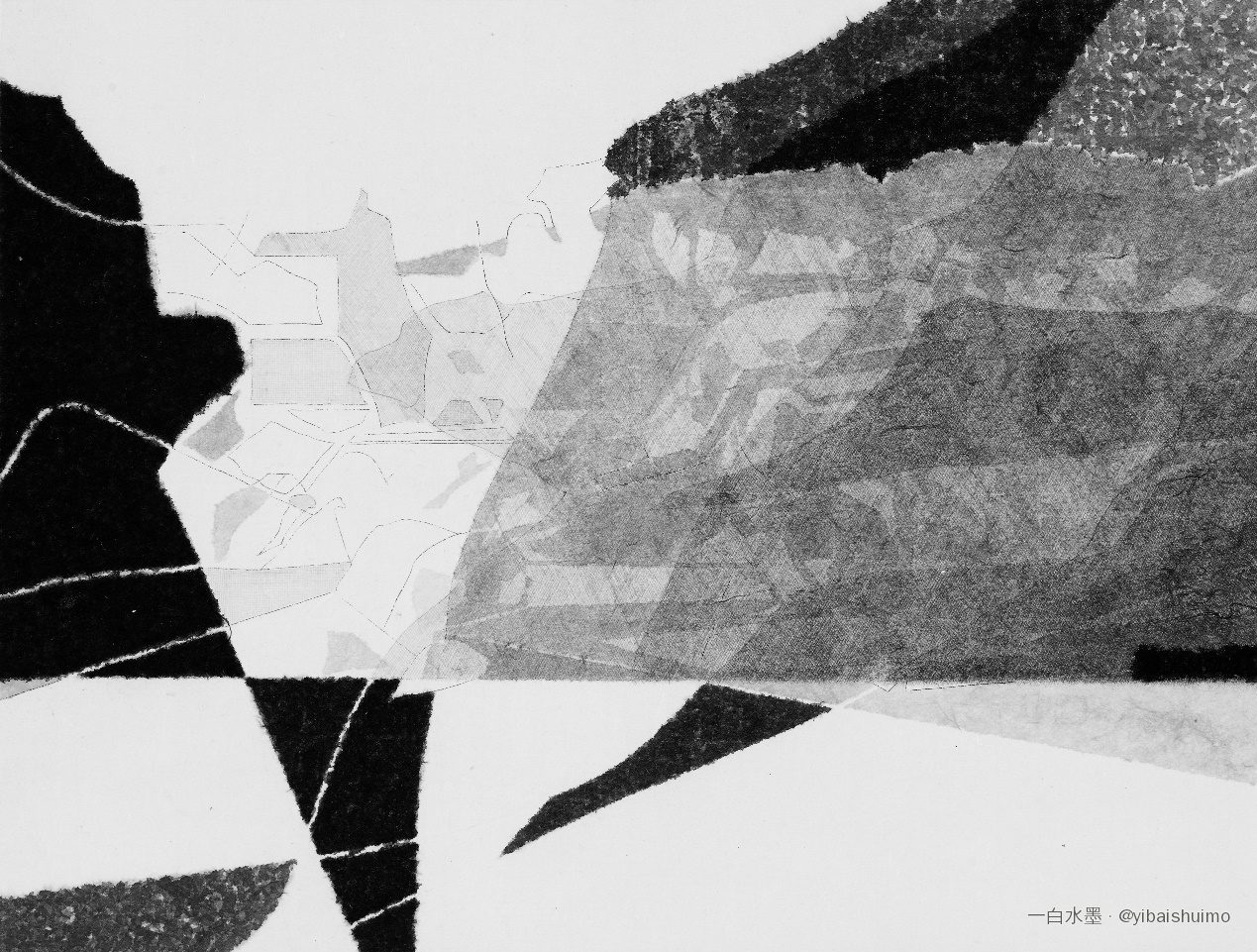
Set it beside poetry, and one finds the same mood in Xie Lingyun's « by the pond the spring grasses grow », or in Wang Wei's « the bright moon shines between the pines, the clear spring runs over the stones ».
Set it beside Chan, and one finds the state described by Master Dōgen: « spring opens and the flowers are seen, the cuckoo cries the summer in, the moon stands over the autumn night, and in deep winter the boundless snow brings cold ».
First, one must fully understand that man too is a thing. To take man for the creature that « received the finest essence and is the most spiritual of all » is a numb and arbitrary claim!
Next, stop always looking at the world through the eyes of « I ». One must forget the self, reach the state of no-self, and look at the world with a mind in which there is no self.
Then, to feel the true meaning of time and space, one must forget their physical existence.
Lastly, do away with the opposition of subjective and objective, and meet the world whole and by intuition alone. (Heaven and man as one.)
In this way one reaches the state of mind of « the slender bamboo draws the wind in » and « moonlight shattered among the trees ». Create with that state of mind, and the work will naturally hold the « true meaning residing here », the « breath-resonance, alive and moving ».
To attain the no-mind state of « observing things from the standpoint of things », the only method is intuition: to face the thing itself directly. No concepts and no experience; none of the thoughts and theories of any age or any country; no this-should-be and that-should-not; no calculation of gain; no joy, anger, grief or delight; no division of good from evil; no time stretching out and slipping away; no influence of language; no attachment of any kind… Gather the spirit and still the breath, look upon this world directly, feel and grasp the truth of the present moment, and set down with the brush this understanding of what is « so near and so far away ». Such an understanding is close to truth; it is often coarse, but it is whole.
To arrive at such a state, of course, one must practise intuition constantly in daily life, and cast off that powerful logical, causal, rational way of thinking. In time one will draw, miraculously and without limit, towards this highest state of all.